
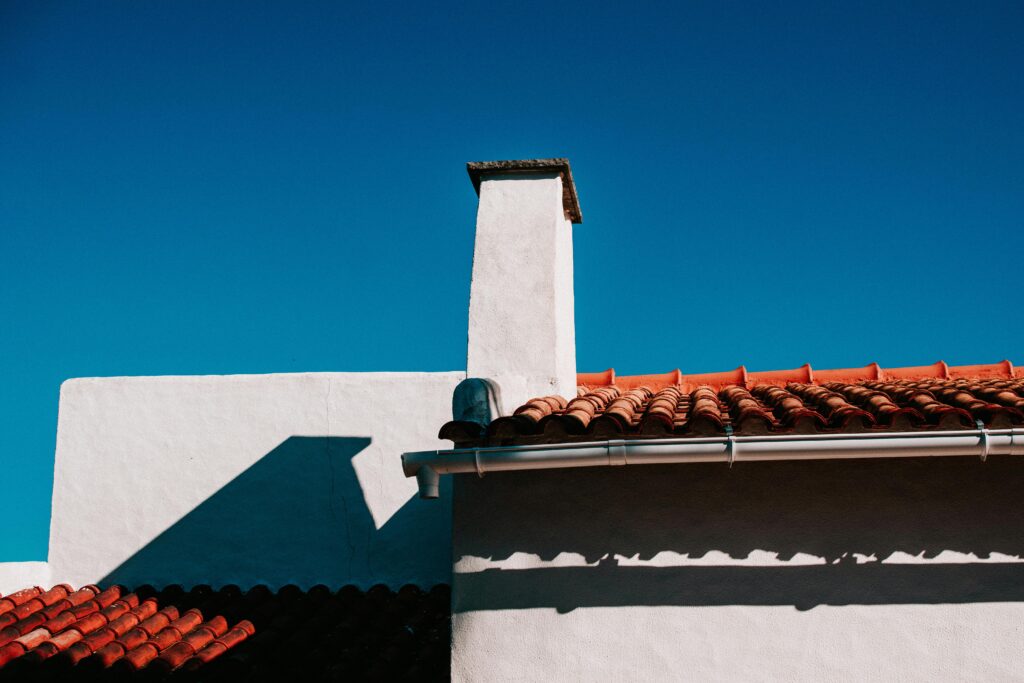
Florida, especially Tampa Bay, is prone to unpredictable and harsh storms. From heavy summer rains to hurricane season winds, your roof works overtime to protect you, your family and your belongings.
The big problem is that most homeowners don’t notice roof issues until they’ve already become serious problems. You might not think that a small leak, missing shingle, or cracked flashing seems urgent, but ignoring these early warning signs can quickly lead to extremely expensive—and lasting—damage to your home.
Why Catching Roof Problems Early Matters
Your roof is a carefully curated system built to keep out water, resist high winds, and regulate your home’s temperature. When one part of that system fails, the whole structure becomes susceptible to damage.
Here’s why catching problems early is so important:
- Saves your money in the long run. A small repair today prevents a full replacement tomorrow.
- Protects your home. Roof leaks can damage insulation, drywall, flooring, and even your home’s foundation.
- Keeps your family safe. Mold, mildew, and structural damage can pose health and safety risks if ignored.
But the good news? Your roof will usually give you signs when it needs attention—you just need to know what to look for.
Signs To Look Out For
1. Water Stains on Ceilings or Walls
If you notice brown or yellowish spots inside your home, especially on ceilings, it’s a clear indicator that water is seeping in. Tampa’s frequent rainstorms can quickly turn a small leak into a huge water-damage-filled disaster. Don’t just paint over the stain, find the source.
2. Missing, Loose, or Damaged Shingles
Florida winds can usually be strong enough to tear shingles away. If you see bare patches, curling edges, or granules collecting in your gutters, your shingles are nearing the end of their lifespan. This is one of the most visible signs your roof needs attention.
3. Sagging Areas
A sagging roof is never normal. It usually indicates water damage has weakened the decking or underlying structure, and this requires immediate professional inspection because the roof may give in.
4. Leaks in the Attic
After a heavy storm, check your attic with a flashlight. If you see damp rafters, wet insulation, or small drips, your roof has taken a hard hit. Attic leaks are often the first place water intrusion shows up, which means they’re one of the best places to check first.
5. Mold, Mildew, or Musty Smells
Moisture trapped inside your roof system can lead to mold growth, which spreads quickly in our humid climate. If you smell mustiness or see dark streaks on your walls or roof, it’s time to call a professional for you and your home’s safety.
6. Rising Energy Bills
A damaged roof can allow cool air to escape, making your HVAC system work harder than it should have to. If your energy bills are climbing without a clear reason, there’s a good chance your roof’s insulation or ventilation have been damaged.
7. Granules in Your Gutters
Asphalt shingles shed protective granules as they age, so if you notice black, sand-like material in your gutters, your shingles are breaking down and may not be protecting your home as they should.
8. Recent Storm Damage
Tampa is no stranger to tropical storms and hurricanes. Even if you don’t see obvious signs of damage, your roof might have small issues caused by flying debris or high winds. It’s suggested to schedule an inspection after any major storm.
What to Do If You Notice These Signs
When you spot any of these warning signals, the worst thing you can do is wait, since roof problems rarely stay small—they spread and degrade over time.
Here’s what to do:
- Document what you see. Take pictures of visible damage inside and outside.
- Avoid quick DIY fixes. Temporary patches may make the issue worse or mask the real problem. Depending on your roofing issue, it may also be unsafe to attempt to fix yourself.
- Call a trusted roofing contractor. A professional can identify the root cause and provide a long-lasting solution.
- Get a thorough inspection. Get a roofing company that won’t just look at the surface—but check flashing, decking, ventilation, and more.
- Act quickly on repairs. Swift fixes restore your roof’s integrity and prevent further damage.
The Role of Florida’s Climate in Roof Wear
Our Florida mix of strong sun, high humidity, and sudden downpours creates conditions where roofing materials wear faster than in other regions. Constant UV exposure can dry out shingles and cause cracking, while moisture invites mold or rot. Add in the occasional tropical storm or hurricane season, and it’s easy to see why homeowners need to stay especially alert to roof repair needs.
Common Problem Areas to Watch
Not all roof damage is immediately obvious. Many issues start small in vulnerable spots and then spread. Some of the most common problem areas include:
- Flashing around chimneys, skylights, and vents, which can loosen or corrode.
- Roof valleys, where water naturally flows and collects.
- Eaves and overhangs, which often take the brunt of rain and wind.
- Gutters, which can clog and push water under the roofline.
Keeping an eye on these areas during routine checks can help you catch small repairs before they turn into major problems.
Preventive Maintenance Makes a Difference
Roof repair isn’t only about fixing problems after they appear, while a decent roofing company will handle any roofing problem you may acquire, preventive maintenance is recommended to maintain your roof’s lifespan and save your money. Clearing debris from gutters, trimming back tree branches that hang over your roof, and having seasonal inspections (especially after major storms) can reveal issues early. Think of this as an investment—small, routine steps that protect your home’s structural security.
When Repairs Can’t Wait
While some roof issues allow you to schedule repairs at your convenience, others require immediate attention. Warning signs that shouldn’t wait include:
- Water actively leaking into your home
- Sections of the roof that appear saggy or soft
- Large patches of missing or damaged shingles
- Visible daylight shining through the attic
Don’t Wait Until It’s Too Late
Your roof is your home’s first line of defense against our tough weather.
It’s hard to confront the fact that your roof might not always be your home’s security, but the sooner you address small issues, the more money and time you’ll save—and the safer your family will be.
If you have further questions, feel free to reach out to us today.